Understanding the Role of a Wooden Menu in Cartoon Game Interfaces
In the vibrant world of cartoon-style video games, visual appeal and intuitive navigation are crucial to player engagement. One of the most effective design elements that enhance both aesthetics and usability is the wooden menu interface. Whether you're a game developer, designer, or enthusiast, understanding how a wooden menu for cartoon game interface contributes to user experience is essential. This article explores the design, purpose, and practical applications of wooden menus in cartoon game interfaces, including how they can be implemented using downloadable templates such as EPS, JPG, SVG, and transparent PNG formats.
What Is a Wooden Menu in a Cartoon Game Interface?
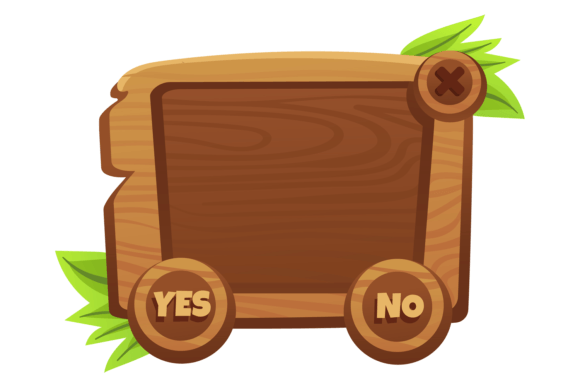
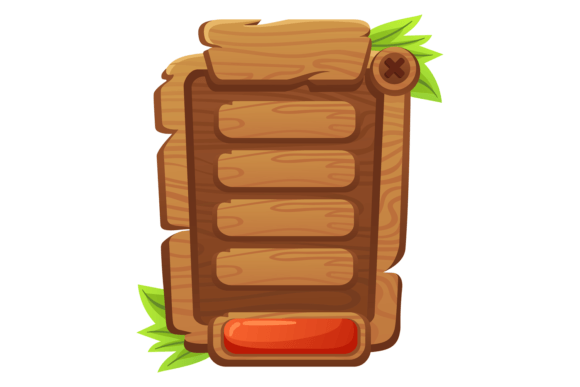
A wooden menu refers to a UI (user interface) component that mimics the appearance of wood, often stylized to fit a cartoon or whimsical theme. This type of menu is commonly used in games with rustic, fantasy, or adventure settings. The wooden texture, combined with playful fonts and colorful buttons, creates a warm and inviting visual experience for players.
Such menus are not only visually appealing but also functional. They help guide players through game options like "Start Game," "Settings," "Pause Menu," and "Inventory" in a way that feels natural within the game's world. The wooden menu for cartoon game interface with buttons template is a ready-made design solution that developers can customize and integrate into their projects with minimal effort.
1. Enhancing Thematic Consistency
One of the primary reasons for using a wooden menu is to maintain thematic consistency. For example, a medieval-themed adventure game or a forest-based puzzle game benefits from a UI that reflects the game's environment. A wooden menu helps players feel immersed in the game world, reinforcing the setting and narrative from the very first interaction.
2. Improving User Experience
Good UI design is all about usability. A wooden menu can be designed with clear buttons, intuitive layouts, and visual cues that guide players through the game's options. When combined with cartoon-style graphics, these menus are not only easy on the eyes but also easy to navigate, especially for younger audiences or casual gamers.
3. Supporting Brand Identity
For indie developers and small studios, maintaining a consistent brand identity across all game elements is vital. A well-designed wooden menu can become a signature element of a game series or studio, making it instantly recognizable to players. This consistency builds trust and familiarity, which can translate into better player retention and word-of-mouth promotion.
How to Use Wooden Menu Templates in Game Development
Creating a custom wooden menu from scratch can be time-consuming and requires advanced graphic design skills. Fortunately, there are pre-made templates available in various formats like EPS, JPG, SVG, and transparent PNG. These templates are designed to be flexible, scalable, and compatible with most game engines and design software.
Available File Formats and Their Uses
- EPS (Encapsulated PostScript) – Ideal for vector-based editing in Adobe Illustrator or similar programs. EPS files are scalable without losing quality, making them perfect for high-resolution game assets.
- JPG (Joint Photographic Experts Group) – A widely used raster image format. While not ideal for scaling, JPGs are easy to work with and suitable for menus that don't require resizing.
- SVG (Scalable Vector Graphics) – Perfect for responsive and scalable UI elements. SVG files are ideal for menus that need to adapt to different screen sizes, especially in mobile games.
- Transparent PNG – These files offer high quality with a transparent background, allowing designers to layer the menu over different backgrounds without visible edges or borders.
How to Customize a Wooden Menu Template
- Choose the Right Template: Look for templates labeled as “wooden menu for cartoon game interface with buttons template isolated on white background” to ensure clean, professional results.
- Edit Colors and Textures: Adjust the wood grain, color tones, and lighting to match your game’s aesthetic.
- Customize Buttons: Modify the shapes, colors, and labels of buttons to suit your game’s functionality and style.
- Export for Your Game Engine: Save the final design in the format required by your game engine (Unity, Unreal, Godot, etc.).
Practical Applications of Wooden Menus in Modern Game Development
Wooden menus are not just limited to fantasy or adventure games. They have found their way into a variety of genres due to their versatility and nostalgic appeal. Here are a few examples:
1. Educational Games
Games designed for children or educational purposes often use wooden menus to create a friendly and approachable interface. The warm textures and playful design help reduce cognitive load and make learning feel more like play.
2. Mobile and Casual Games
Mobile games, especially those targeting a broad audience, benefit from wooden menus because they are visually engaging yet easy to understand. The tactile feel of wooden buttons can also enhance the touch experience on mobile devices.
3. Indie and Retro-Style Games
Indie developers often use wooden menus to evoke a sense of nostalgia or handcrafted charm. These menus help differentiate their games in a crowded market and appeal to players who appreciate artistic design.
Common Misconceptions About Wooden Menus
Despite their popularity, some misconceptions persist about wooden menus in game design:
- Misconception: Wooden menus are outdated or only suitable for niche games.
Reality: Modern wooden menus are highly customizable and can be adapted to any game genre with the right design approach. - Misconception: Using a wooden menu requires advanced design skills.
Reality: Pre-made templates make it easy for developers of all skill levels to integrate wooden menus into their games. - Misconception: Wooden menus are not scalable or responsive.
Reality: With SVG and transparent PNG formats, wooden menus can be made fully responsive for different devices and resolutions.
Conclusion: The Enduring Appeal of Wooden Menus in Cartoon Game Interfaces
In summary, the wooden menu for cartoon game interface is more than just an aesthetic choice—it’s a strategic design decision that enhances both usability and immersion. Whether you're developing a fantasy RPG, a cozy puzzle game, or an educational app, incorporating a wooden menu can significantly elevate the player experience.
With the availability of downloadable templates in formats like EPS, JPG, SVG, and transparent PNG, integrating a wooden menu into your game has never been easier. By understanding the purpose, benefits, and practical applications of this design element, you can create a more engaging and visually appealing game interface that resonates with players of all ages.
So the next time you're planning your game’s UI, consider the timeless charm and functionality of a wooden menu for cartoon game interface with buttons template isolated on white background. It might just be the key to making your game stand out in today’s competitive market.