Game Interface Window: Wooden Popup Mess – A Unique Design Element for Engaging User Experiences
Understanding Game Interface Window: Wooden Popup Mess
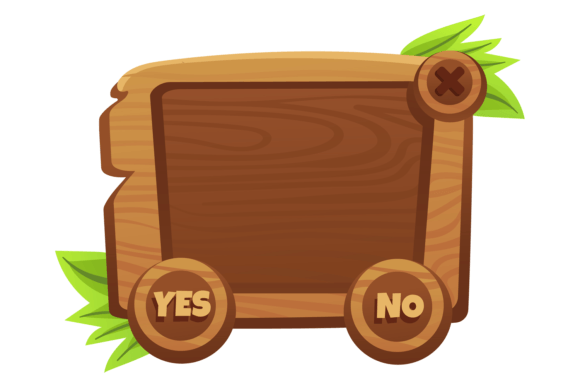
The Game Interface Window: Wooden Popup Mess is a design template commonly used in game development and interactive digital media. It features a stylized, rustic wooden frame that mimics the appearance of handcrafted or aged materials, often used to present pop-up messages, notifications, or interface elements within a game or application. This template is typically delivered in multiple formats—such as EPS, JPG, SVG, and transparent PNG—which makes it versatile for use across different platforms and design software.
Unlike sleek, modern UI components, the Wooden Popup Mess offers a tactile, organic aesthetic that can enhance the visual storytelling of a game. It’s especially popular in titles that aim for a nostalgic, whimsical, or fantasy-themed interface. The “mess” in the name refers to the intentional imperfections in texture and alignment, giving the interface a lived-in, handcrafted look rather than a sterile, digital one.
Why Designers Might Choose Wooden Popup Mess
There are several reasons a game designer or UI artist might opt for the Wooden Popup Mess template:
- Thematic Consistency: For games set in historical, fantasy, or rustic environments, this interface style reinforces the world-building by matching the visual tone.
- Emotional Engagement: The organic textures and irregular shapes can evoke a sense of warmth and familiarity, enhancing player immersion.
- Visual Differentiation: In a market saturated with clean, minimalist interfaces, a wooden popup stands out and can become a memorable part of the game’s identity.
- Design Efficiency: Pre-made templates save time and ensure consistency across different interface elements without requiring custom illustration from scratch.
Benefits and Considerations
Using the Game Interface Window: Wooden Popup Mess comes with several benefits:
- Ready-to-use: Available in multiple file formats, it integrates easily into most UI pipelines.
- Scalable: Vector formats like SVG ensure the design remains sharp at any size, making it suitable for both mobile and desktop platforms.
- Customizable: Designers can adjust colors, textures, and layout elements to better match the game’s specific art direction.
However, there are also tradeoffs and considerations to keep in mind:
- Readability: Ornate textures and irregular shapes may interfere with text clarity, especially on smaller screens.
- Performance: High-resolution image formats like JPG or PNG may increase file sizes and affect load times if not optimized.
- Theme Mismatch: While visually appealing, the wooden aesthetic may clash with futuristic or highly stylized game worlds.
When It Makes Sense to Use This Template
The Wooden Popup Mess is particularly well-suited for the following scenarios:
- Indie and Niche Games: Smaller studios or solo developers can use pre-made templates to maintain a polished look without investing heavily in custom UI art.
- Retro or Fantasy-Themed Titles: Games that draw inspiration from medieval, rustic, or folklore aesthetics benefit from the organic look of wooden interfaces.
- Mobile Casual Games: A warm, tactile interface can enhance the emotional connection in games aimed at a broad, non-hardcore audience.
- Educational or Children’s Apps: The friendly, handcrafted style can make learning environments feel more approachable and engaging.
When to Consider Alternatives
Despite its appeal, the Game Interface Window: Wooden Popup Mess may not be the best choice in every situation. Consider alternatives if:
- Your Game Has a Modern or Sci-Fi Theme: A sleek, digital interface would better align with high-tech or minimalist visuals.
- You Prioritize Minimalism: Clean lines and uncluttered design often enhance usability and focus, especially in puzzle or productivity apps.
- You Need Maximum Flexibility: If your UI needs to adapt dynamically to various screen sizes or languages, a more modular or abstract design may be preferable.
- Accessibility is a Priority: Some textures and background patterns can reduce contrast and readability for users with visual impairments.
Practical Insights for Decision-Making
When evaluating whether to use the Wooden Popup Mess in your project, consider the following factors:
- Target Audience: Does your audience expect a whimsical or nostalgic experience? If so, this template can reinforce that expectation.
- Art Direction: Does the wooden aesthetic align with the overall visual language of your game or app? Ensure consistency across menus, HUDs, and other UI components.
- Technical Constraints: Are you working with limited memory or performance budgets? Optimize image assets or consider using vector-based formats to minimize impact.
- Localization Needs: If your game will be translated into multiple languages, ensure that the template allows for flexible text placement and scaling.
Final Thoughts
The Game Interface Window: Wooden Popup Mess is a compelling choice for developers seeking to create a distinctive, emotionally resonant user experience. Its textured, handcrafted appearance can elevate the visual storytelling of a game, especially when used in contextually appropriate settings. However, like any design decision, it should be evaluated based on its functional fit, aesthetic alignment, and technical feasibility.
If you're aiming to create a game that feels immersive, nostalgic, or thematically rich, this template can be a valuable asset. But if your project leans toward modern minimalism, requires high readability, or targets performance-sensitive platforms, you may want to explore alternative interface styles.
Ultimately, the right UI design choice depends on your creative goals, audience expectations, and practical constraints. By carefully weighing these factors, you can determine whether the Wooden Popup Mess aligns with your vision—or if another design path might serve you better.