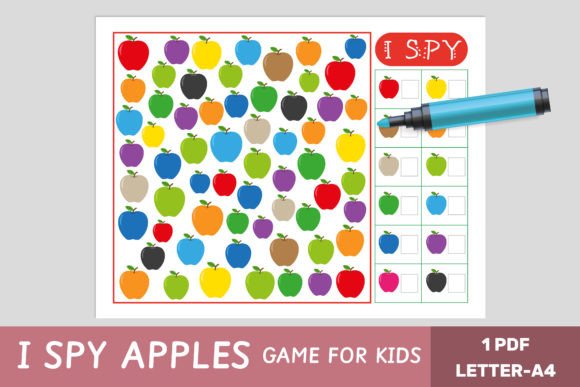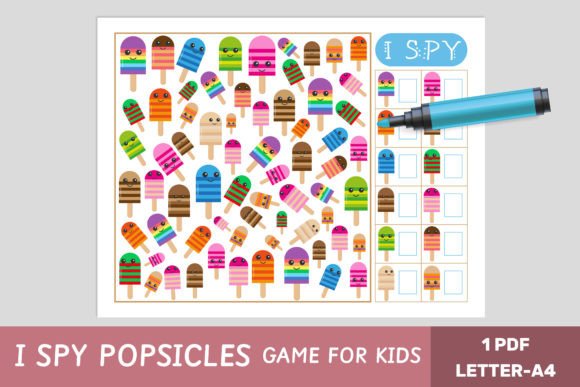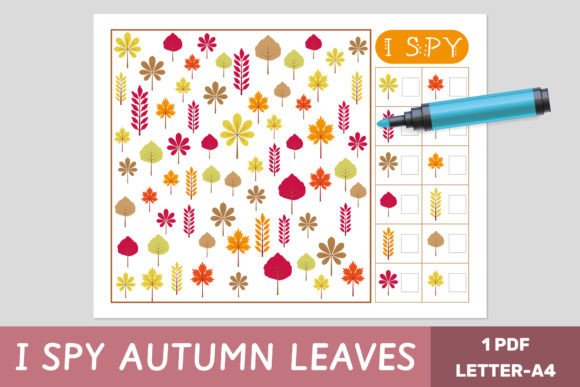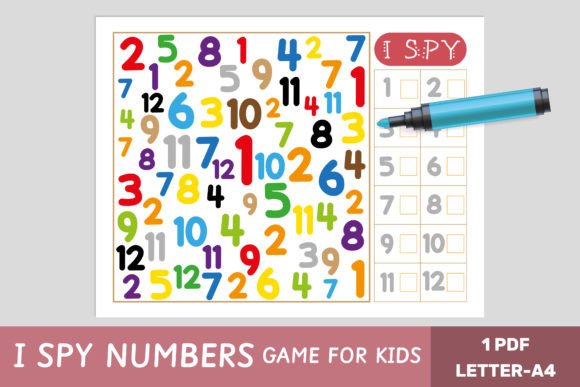
I Spy Game - Numbers - Math Game: A Strategic Tool for Engaging Learning and Creative Planning
More Than Just a Game: The Strategic Value of I Spy Game - Numbers - Math Game
The I Spy Game - Numbers - Math Game is not just a playful activity for children—it's a versatile tool that, when used thoughtfully, can support strategic thinking, goal-setting, and creative engagement in both educational and professional environments. At its core, the game encourages observation, pattern recognition, and number sense, but its real value lies in how it can be integrated into broader learning and planning strategies.
For educators, entrepreneurs, and creators, the game offers a low-cost, high-impact method to reinforce math concepts, develop attention to detail, and foster collaborative problem-solving. Its printable format—available in both US Letter and A4 sizes—makes it accessible and adaptable for various settings, from classrooms to home offices and co-working spaces.
Designing for Purpose: How to Use I Spy Game - Numbers - Math Game Strategically
While the I Spy Game - Numbers - Math Game may appear simple, its effectiveness hinges on intentional design and implementation. The key is to align its use with specific goals, whether that’s improving number fluency in young learners or integrating playful problem-solving into team-building exercises for professionals.
Consider the following strategic applications:
- Educational reinforcement: Use the game to reinforce number recognition, counting, and basic arithmetic in a non-threatening, engaging format.
- Team collaboration: Incorporate the game into brainstorming sessions to stimulate creative thinking and pattern recognition among team members.
- Customer engagement: For brands and publishers, the game can be repurposed as a branded printable resource to deepen audience interaction and demonstrate thought leadership in educational content.
Planning for Impact: Choosing the Right Format and Quality
When preparing to use the I Spy Game - Numbers - Math Game, the choice of print size and material matters. The two available formats—US Letter (8.5” x 11”) and A4 (210 mm x 297 mm)—cater to different geographic and logistical needs. Select the size that best aligns with your audience or environment.
For optimal durability and visual clarity, print on heavy cardstock using high-quality settings. This ensures the game remains usable across multiple sessions and maintains its appeal, especially when used in professional or educational settings where presentation counts.
Aligning the Game with Long-Term Objectives
One of the most overlooked aspects of using tools like the I Spy Game - Numbers - Math Game is their potential to contribute to long-term learning or operational outcomes. When integrated into a broader strategy, such games can serve as consistent touchpoints for reinforcing skills and concepts.
For instance, educators can use the game weekly to reinforce number patterns, while small business owners might incorporate it into a branded content strategy aimed at parents and educators. The key is to plan for continuity and relevance—ensuring the game doesn’t exist in isolation but supports a larger framework of goals and outcomes.
Practical Examples: From Classroom to Content Marketing
Here are a few practical examples of how the I Spy Game - Numbers - Math Game can be applied across different contexts:
- Classroom setting: Teachers can use the game as a warm-up activity to engage students before math lessons, encouraging peer interaction and reinforcing number concepts in a fun way.
- Home learning: Parents can print and laminate the game for repeated use, creating a go-to resource for rainy days or after-school practice.
- Brand engagement: Educational publishers or toy companies can offer the game as a downloadable resource to build trust and provide immediate value to their audience.
Strategic Observations: What to Consider Before Implementation
Before incorporating the I Spy Game - Numbers - Math Game into your toolkit, consider the following strategic factors:
- Audience alignment: Does the game resonate with your target demographic? Ensure it’s age-appropriate and contextually relevant.
- Goal clarity: What specific outcome are you trying to achieve? Avoid using the game without a clear purpose, as this can dilute its impact.
- Resource allocation: Factor in printing costs, time investment, and storage if you plan to use physical copies regularly.
Avoiding Common Pitfalls: The Risks of Random Use
One of the most common misuses of the I Spy Game - Numbers - Math Game is treating it as a one-off activity without strategic integration. While it can be fun in isolation, its true value emerges when it’s part of a larger learning or engagement plan.
Without clear goals, the game may become a novelty rather than a meaningful tool. It’s also important to avoid overuse, which can lead to disengagement. Rotate the game with other activities to maintain interest and reinforce varied learning styles.
Creating a Sustainable Learning or Engagement Loop
To get the most out of the I Spy Game - Numbers - Math Game, consider building a sustainable loop that includes preparation, implementation, and reflection. Here’s a simple framework to follow:
- Prepare: Choose the right print size, paper type, and settings for durability and visual appeal.
- Implement: Use the game in a structured way—whether as a learning tool, team-building exercise, or customer-facing resource.
- Reflect: Gather feedback and assess how the game contributed to your intended outcome. Adjust your approach accordingly for future use.
Conclusion: Intentional Use for Lasting Value
The I Spy Game - Numbers - Math Game is more than just a printable activity—it's a strategic asset that can support learning, creativity, and engagement when used with purpose. Whether you're an educator, marketer, or entrepreneur, integrating this game into your planning can yield meaningful results when aligned with clear goals and thoughtful execution.
By choosing the right format, planning for continuity, and avoiding common pitfalls, you can ensure that the game becomes a valuable part of your toolkit—delivering both immediate enjoyment and long-term impact.